Christmas Constants: Faith, Belief, and Tradition Survive Technology
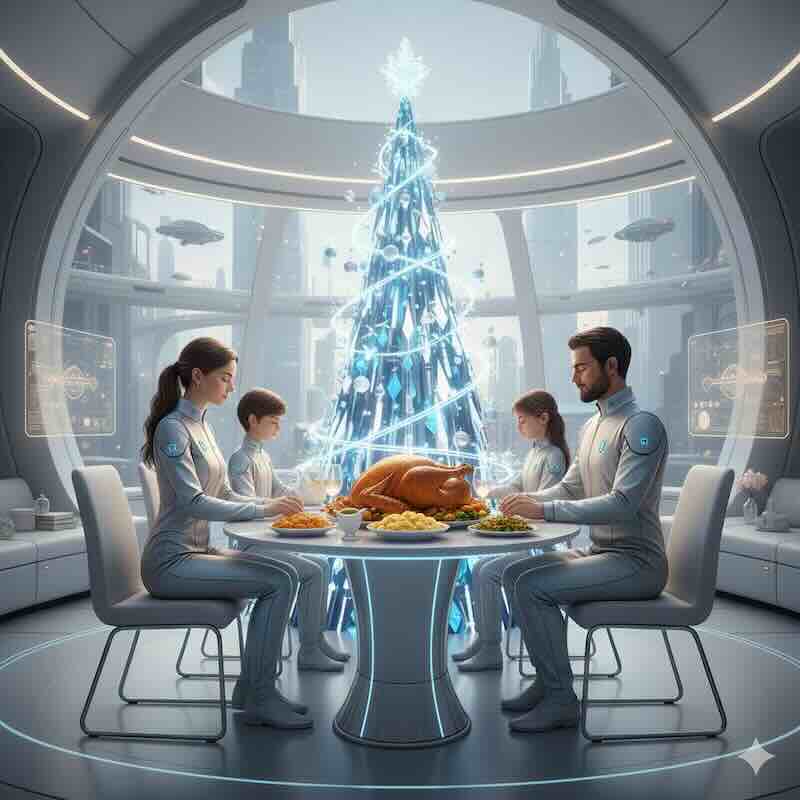
The Enduring Heart of the Holiday
We live in an age defined by relentless technological progress. Every year brings new devices, faster networks, and smarter automation. Yet, amidst this accelerating change, we find comfort in constants—principles, needs, and traditions that endure regardless of our technological leaps. The celebration of Christmas offers a perfect case study for this enduring paradox.
On the surface, the holiday is a showcase for modern technology. We scroll through endless options for gifts via cyber shopping, replacing the mad dash through physical stores. Our once energy-guzzling incandescent lights have been swapped for brilliant, programmable LED strands that barely nudge the power bill. We coordinate complex family gatherings across continents using instant messaging and video calls. The logistics of Christmas have been modernized and optimized.
Technology Changes the Delivery, Not the Desire
However, if you strip away the layers of modern convenience, the core of the holiday remains profoundly untouched by technology. The fundamental human needs being satisfied are the same as they were decades or even centuries ago: the need for a system of faith and belief, the comfort of tradition, and the deep-seated desire for connection and community. Technology merely changes the delivery system, not the desire. The act of gathering around a tree, exchanging gifts, or sharing a special meal—these are rituals. Whether the gifts were purchased from a local craft market or arrived two days after an online order is secondary. The ritual itself provides structure, meaning, and a sense of belonging. This stability is a necessary anchor for the human mind.
Faith and Progress
Even the core elements of faith and belief, which underpin the celebration for many, are not threatened by technological advancement; in many ways, they are amplified. Digital platforms allow sermons to be streamed globally, religious texts to be searched instantly, and communities of faith to connect across geopolitical boundaries. Technology has not replaced the need for belief; it has simply provided a new, global medium for its expression and maintenance. This observation is a powerful reminder that while we continue to develop sophisticated tools, our need for faith, hope, love, and meaning will always be at the core of what we are as human beings; the bedrock upon which all successful technology and culture must ultimately rest.